

Our role in the Book of Acts
- Mike Leite •
- 8 August 2016
At first glance, it seems like the Book of Acts ends with an anticlimax. But, as Mike Leite reminds us, that’s because the Book of Acts is not yet finished.
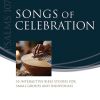
Songs of Celebration (Psalms 107–150)
- David R. Jackson •
- 9 July 2026
David Jackson and Matthew Olliffe cover in 10 studies the 44 psalms collected as Book Five, a book where we see the psalmists praising God and expressing hope for their coming king. (10 studies)

What to think about the body in the grave
- Hannah Ploegstra •
- 11 April 2016
Most of us would prefer not to think about what happens to the dead when they are in the grave. Hannah Ploegstra argues why this is necessary for truly grasping what Christ has done for us.

Seven things to do before my kids leave home
- Hannah Ploegstra •
- 22 July 2016
Before they fly the nest, what are you hoping to teach your kids? How to cook? How to clean? How to be good with money? Hannah Ploegstra shares her own list, but the things on it aren’t what you’d expect.

How to share the gospel with a stranger
- Mike Taylor •
- 18 June 2018
Christians talk about the importance of fishing and the abundance of fish, and we tell others to fish—but few actually go out and fish, because we feel we’re no good at it. Here's some practical tips so you will be more confident in getting out there and putting your line in the water.

Suggestions from a Scottish Sabbath
- Kirsten McKinlay •
- 17 October 2016
Whether biblically mandated or not, there are benefits in having a day of rest and of setting Sunday apart as special.

On ageing, dying and death
- Timothy Raymond •
- 18 July 2016
Ageing, dying and death aren’t the happiest of subjects, but as Timothy Raymond explains, this is one book that brings joy, refreshment and encouragement to these dark topics.

At a Time Like This: Some answers for loss and grief
- Simon Manchester •
- 16 October 2009
Adapted from his vast experience of delivering sermons at funerals, Simon Manchester has written this short booklet for those whose grief may have caused them to think about what is beyond this life. "At a Time Like This" tells of the only expert on life and death who has come back from the grave and told us what it's like: Jesus Christ. This short booklet tells why we should come to Jesus for truth, meaning and real comfort. It also includes Christian answers to common questions about grief.

Telling WJD OTC 2YA
- Matthias Media •
- 18 September 2014
I'm reading the latest Briefing magazine, and my family had a discussion over lunch today about the feature article The Work of the Lord, and it made it clearer for all of us. So what is the work of the Lord? What is Jesus' work, and when

A Sneaking Suspicion (ebook: .epub or Kindle .mobi files)
- John Dickson •
- 17 February 2015
John Dickson's engaging evangelistic book for young people discusses things that matter—things like life, death, relationships, sex, suffering, meaning and God—things that are important but which we don't often talk about. [ebook format]

© 2015 GoThereFor.com. All rights reserved
GoThereFor.com is a product of St Matthias Press Ltd ABN 19 067 558 365.
Contact (AU): 19 King Street, Newtown NSW 2042 | P: +61 2 9233 4627 | gotherefor@matthiasmedia.com.au
Contact (US): 97 Karago Ave, Suite 5, Youngstown OH 44512 | +1 330 953 1702 | gotherefor@matthiasmedia.com