

God is Enough: refocusing your life
- Ray Galea •
- 21 May 2010
Ray Galea reflects on ten psalms, and provides great refreshment in your relationship with God.

The Essential Jesus
- Tony Payne •
- 4 November 2013
The Essential Jesus combines the strengths of Two ways to live with the powerful story of the Gospel of Luke, to offer "the dream evangelistic product".

The Essence of the Reformation
- Kirsten Birkett •
- 16 October 2009
In this introductory book, Kirsten Birkett brings us the essence of the Reformation—the social and religious soil in which it grew, the events and people that shaped it, and the ideas and doctrines for which many of them died.

Healed at Last (ebook: .epub or Kindle .mobi files)
- Scott Blackwell •
- 11 June 2014
Separating biblical truth from myth about healing. Ebook file download.

Tough Questions
- Tony Payne •
- 27 March 2014
A set of five evangelistic studies, all based in Mark's Gospel, designed to present the Christian gospel in a one-to-one Bible study setting.

Pure Sex
- 16 October 2009
This perceptive book looks at how the 'sexual revolution' came about, why it failed us, and the consequences it brought to our society. The authors then propose another way to think about our sexuality.

Islam in our backyard: a novel argument
- Tony Payne •
- 16 October 2009
This very readable book explores the core beliefs of Islam as well as the main varieties of Islamic groups, and how Islamic beliefs challenge our Western secularism. (134 pages)

The Daily Reading Bible
- Various •
- 30 September 2013
The Daily Reading Bible is an all-in-one resource and a good way to get started or keep going in your daily reading of the Bible.
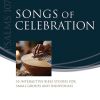
Songs of Celebration (Psalms 107–150)
- David R. Jackson •
- 9 July 2026
David Jackson and Matthew Olliffe cover in 10 studies the 44 psalms collected as Book Five, a book where we see the psalmists praising God and expressing hope for their coming king. (10 studies)

GTK: Get to Know
- Tony Payne •
- 12 September 2013
GTK: Get To Know is a simple four-week program for newcomers to help them: get to know God, your church, some other people, and one of your ministry staff.

© 2015 GoThereFor.com. All rights reserved
GoThereFor.com is a product of St Matthias Press Ltd ABN 19 067 558 365.
Contact (AU): 19 King Street, Newtown NSW 2042 | P: +61 2 9233 4627 | gotherefor@matthiasmedia.com.au
Contact (US): 97 Karago Ave, Suite 5, Youngstown OH 44512 | +1 330 953 1702 | gotherefor@matthiasmedia.com